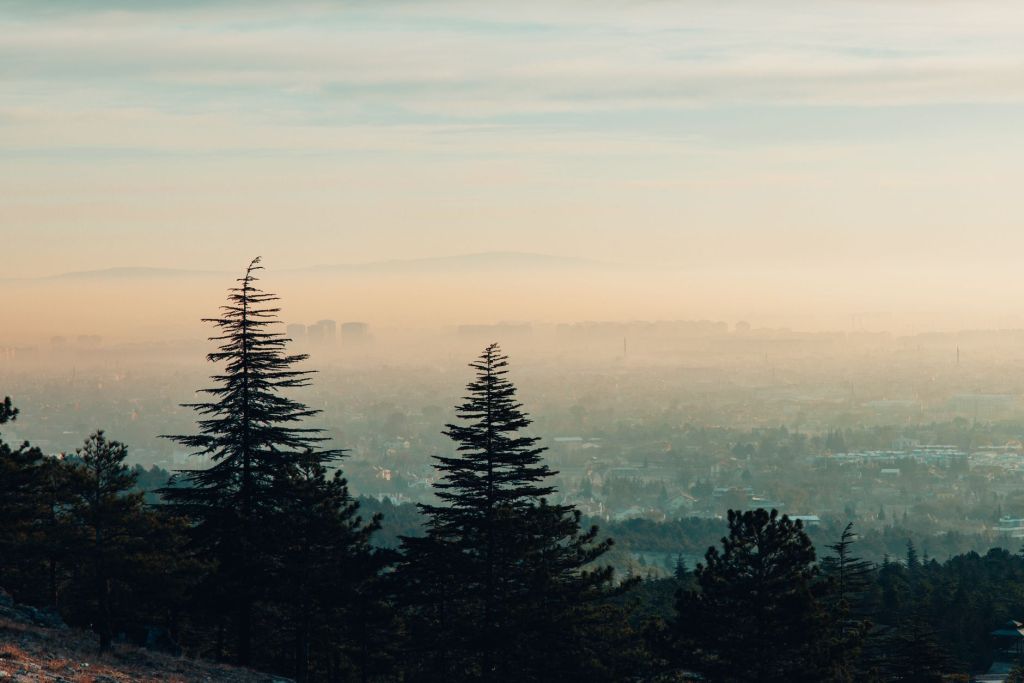
It’s important for anyone going through treatment, but it’s important for the rest of us, too. People at higher risk for being more sensitive to poor air quality days include the elderly, those with asthma, COPD, or other lung disease, cancer survivors, and anyone with heart disease.
Poor air quality can come from things like wildfire smoke and pollution. When the air quality is “poor” it means there are small particulates in the air. Particulates that are the most dangerous are those smaller than 2.5 microns or PM2.5. These are small enough to get deep into the lungs.
What to do if the air quality is poor:
- Check the air quality index in your area (the AQI), and if it is higher than 100, consider limiting your outdoor activity.
- Keep windows and doors closed.
- Limit unnecessary trips.
- Reschedule outdoor exercise.
- Create cleaner indoor air- Run the AC, use HEPA filters, and avoid burning candles or smoking.
- Wearing an N-95 outdoors can reduce the amount of fine particles you breathe in (cloth masks do not provide protection as the particles are so tiny).
- Stay hydrated.
- Minimize strenuous exercise.
- Keep your medications nearby- rescue inhalers, COPD medications, or oxygen if you use it.
- Know when to call your doctor- a worsening cough, increasing shortness of breath, fever, or symptoms that linger once the air quality improves all warrant a call to your doctor office.


Leave a Reply