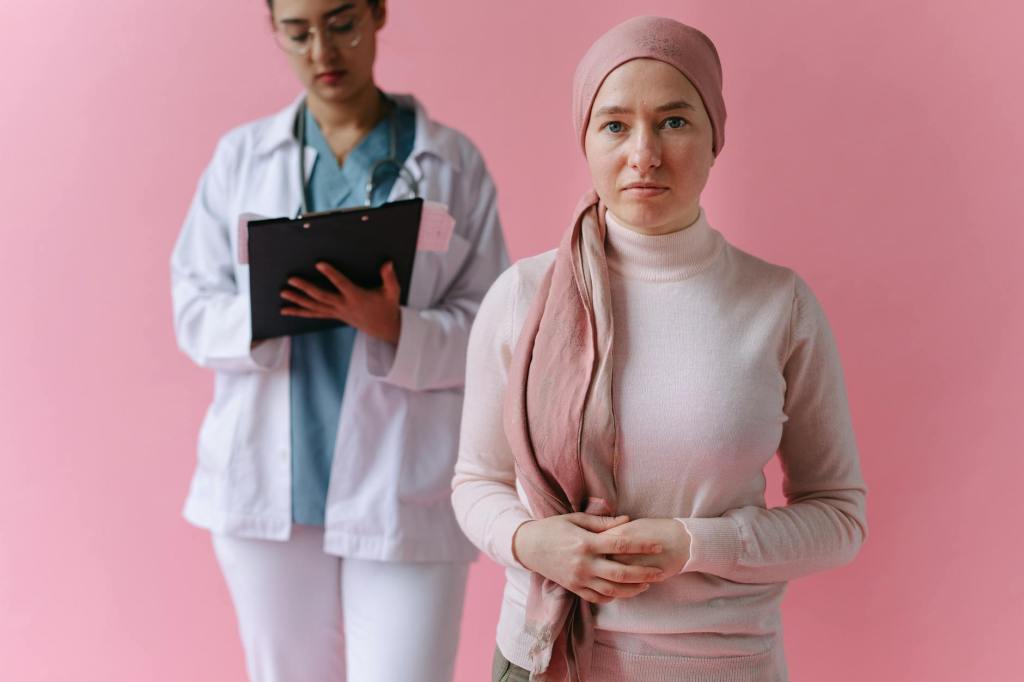
Starting chemotherapy can feel overwhelming—physically, emotionally, and mentally. As an oncology nurse, I’ve cared for patients at every stage of treatment, and one thing is almost always true: what people expect is not what it actually is. Expectations are based on ideas or stories or movies. Or what happened to your mom’s second cousin. But what happened for them may not be what actually happens for you.
There’s a lot of fear around chemotherapy—and while some of it is valid, much of it comes from outdated ideas or worst-case scenarios. You may have heard of someone going through non-stop nausea and vomiting. There’s the movies with cancer patients complete with gaunt faces and no hair. The reality is often more manageable than people expect, especially when you know what to prepare for.
Here are some of the things oncology nurses wish every patient knew before their first treatment.
1. Side effects aren’t one-size-fits-all
Many people expect chemotherapy to immediately make them feel extremely sick—but that’s not always the case. Some people cruise through treatment and wouldn’t even know they were sick if someone hadn’t told them.
Some patients experience nausea, fatigue, or taste changes. Others feel relatively normal, especially in the first few days after treatment. Some patients feel good around treatment days because of steroids. Your experience will depend on your specific medications, your body, and how your care team manages symptoms proactively.
The important thing to remember: don’t compare your experience to anyone else’s. It’s not a competition, and it doesn’t mean your treatment is working more or less effectively. Talking with other people who have gone through treatment can certainly help, and support groups are great. But- just because your cousin had breast cancer and never got sick to their stomach not even once- well, that’s great. But that doesn’t mean anything for anyone else. There are so many different types of therapies and treatments nowadays. With a ton of variety among them. And with that variety comes side effect variety, too!
2. Managing symptoms early makes a huge difference
One of the biggest mistakes I see is patients waiting too long to address side effects.
If you’re feeling nauseous, take your prescribed medication early—not after it becomes severe. Don’t try to stick it out. Take your anti-nausea medicine. If your mouth starts to feel sore, begin gentle oral care right away. Small, early interventions can prevent symptoms from escalating.
Your care team wants to help—but we can only do that if we know what you’re experiencing. So call us! We want to know.
3. Eating “perfectly” is not the goal
There’s a lot of pressure to eat “clean” or “healthy” during cancer treatment, but chemotherapy often changes your appetite, taste, and tolerance for food.
Some days, vegetables and full meals may feel doable. Other days, crackers, soup, a protein shake, or a smoothie might be all you can manage.
And that’s okay.
During chemo, getting enough calories, protein, and fluids matters more than following a perfect diet. Flexibility is key. Nourishment looks different day to day. Eat what you can. Talk with the dietician. They will help you get through this.
Oh yeah, let’s just get this out of the way-eat your breakfast before you come in! Maybe not a huge plate of bacon and fried eggs. But please, unless your team has specifically told you otherwise for some reason, please, eat your breakfast. 🙂
4. Fatigue is real—and it’s not just being “tired”
Chemo-related fatigue can feel very different from everyday exhaustion. It’s often deeper, more persistent, and not always fixed by rest.
You may have days where even small tasks feel like a lot. Planning ahead, pacing yourself, and accepting help can make a meaningful difference. Do what you can when you have the energy, but don’t overdo it.
This is one of the hardest adjustments for many patients—especially those used to being highly independent. Having to have someone drive them to appointments because they feel so tired can be tough.
5. Small comforts go a long way
I love when I see someone come in with their bag full of goodies on chemo day. Some of the most meaningful improvements in a patient’s experience aren’t medical—they’re personal.
Things like:
- Bringing a favorite blanket– we give out blankets to our new patients, and we have a case of warm blankets available, but having a comfortable, familiar blanket can put that cozy level through the roof.
- Wearing comfortable clothing– please, please, please wear a shirt that is easy to access if you have a port. It is harder to maintain sterility if you can barely pull down the neckline of your shirt.
- Having snacks you actually enjoy– what can I say. Our snack bin is limited! And while I’m happy to give out lots of Cheez-its and Ritz bits, well, bring something along. Especially if you are going to be stuck with us all day.
- Listening to music or watching something familiar- pro tip: bring along some ear buds. Your neighbors in the infusion room will appreciate it!
These small comforts create a sense of control and normalcy in an unfamiliar situation.
6. You don’t have to go through it “strong” all the time
There’s often an unspoken expectation to stay positive or strong throughout treatment—but that’s not realistic.
It’s normal to feel scared, frustrated, or overwhelmed. Some days will be harder than others. Sometimes, you just need to cry.
From a nurse’s perspective, strength isn’t about pretending everything is okay—it’s about continuing to show up, ask for help, and take things one step at a time. Sometimes you have to take one day at a time. Sometimes it’s one hour or one minute at a time. But that’s okay.
7. Your care team is there for more than just treatment
Oncology care is not just about medications and lab results. It’s also about supporting you as a whole person.
If you’re struggling—physically or emotionally—say something. Whether it’s symptom management, mental health support, or practical concerns, there are often more resources available than people realize. During your education session before chemo, we make every effort to let you know about all the good things we can offer. But it is hard for patients to remember everything that is said, and sometimes there are more resources that the social worker knows about. Talk to us about your needs.
We are with you! Through the good days and the bad ones. We love to celebrate your wins with you. But we’ve got your back when you feel horrible, too, or when you need some extra help.
The bottom line
Chemotherapy is a deeply personal experience, and no two journeys look exactly the same. While it can be challenging, it’s also more manageable than many people expect—especially with the right support and preparation.
As oncology nurses, we see not only the difficult moments, but also the resilience, adaptation, and strength patients develop along the way.
If you’re about to start treatment, take it one day at a time—and know that you don’t have to have it all figured out from the beginning. We are here for you!
 Writing RN
Leave a comment