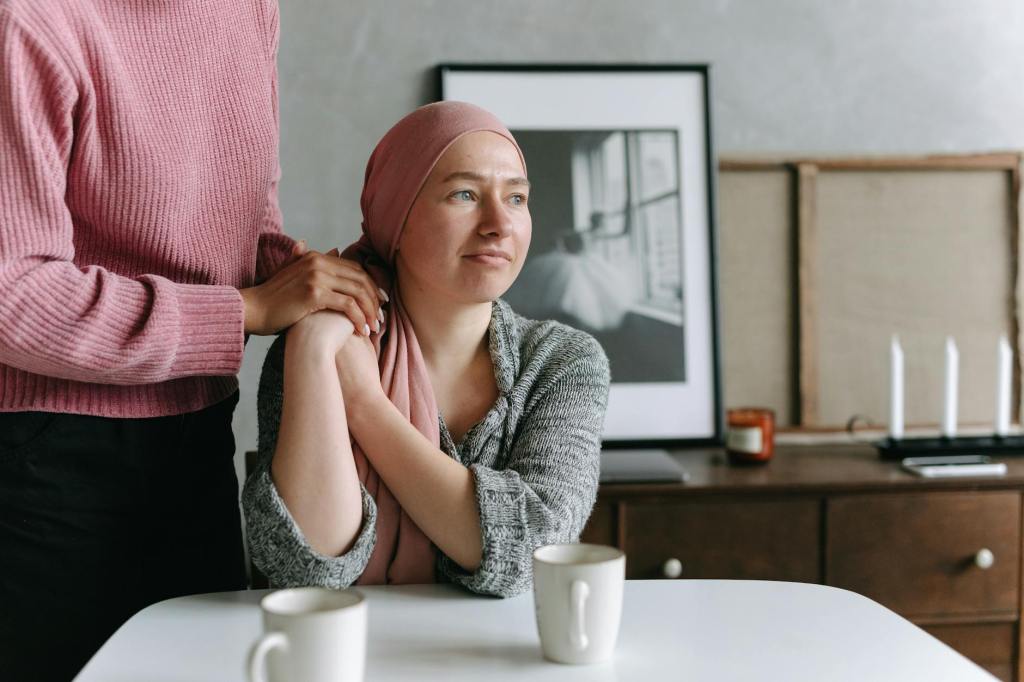
It can be challenging to know what to eat in the weeks while getting chemotherapy. Sometimes one simply doesn’t feel like eating. Certain treatments cause definite taste changes. Patients can have trouble eating due to the tumor location. If there is pain in the throat or trouble swallowing, that alone can make it physically harder to eat. A lot of chemotherapy can make foods taste “off.” Medications can leave a metallic taste in the mouth. Some medications cause cold-sensitivity and very cold foods need to be avoided. Occasionally, nausea is at the root of the problem, or even constipation. With constipation, there doesn’t feel like there is any room for food to go. Mouth sores could be the problem, and those need to be resolved before one is able to eat better. Chemotherapy regimens often involve steroids too, so those patients may actually feel hungrier than usual. This can result in weight gain. In addition, psychological concerns like depression or anxiety can interfere with the desire to eat.
There are ways to manage the side effects of treatment, and it’s helpful to have support from a registered dietitian. This article lists tips and tricks on what (and how) to eat during chemotherapy treatments.
- Healthy variety– In general, it is good to eat a wide variety of healthy foods during treatment. (See Johns Hopkins for an article on this). Think whole foods that aren’t in fancy packaging. This means fruits and vegetables, low fat chicken and fish, and beans, nuts, and seeds. Whole grains are a good choice. Milk products are good for you and these should be pasteurized. Healthy fats like avocados are another good choice. Think moderation in all things. But avoid under-cooked or raw foods such as sushi. It is wise to be cautious with buffets, where one can be exposed to unnecessary germs. Sweet treats are okay, but keep to healthy portion sizes. And contrary to what you may have heard, sugar won’t feed your cancer.
- Small, frequent meals– Eating more frequent and smaller meals can help. Think in terms of grazing, rather than large meals. Avoid things that are very spicy. Stay away from extreme tastes. Addressing underlying factors like constipation and nausea can help. Make a list of portable, healthy snacks that you like. Take some of those snacks with you when going out. Also, bring them along when heading to a long day of chemo. That way you can have some along when you get hungry. Please eat breakfast on the days you have treatment, unless your care team has told you otherwise. But avoid heavy, greasy meals.
- Avoid strong and overwhelming smells– Sometimes certain smells can be triggering. This could be things you used to like the smell of, like garlic or coffee. See what does and doesn’t work for you. Use good ventilation when cooking. Keep track of symptoms and attempted remedies so that you can share this with your provider if necessary. Incidentally, some patients find the taste of saline flushes for their chemotherapy port off-putting. In this case, keep mints or gum handy during the flush. This can prevent stomach upset from the saline taste.
Managing side effects can be a challenge but is possible (see Memorial Sloan Kettering’s website for more tips):
- Metallic Taste– If there is a residual metallic-type taste, avoid metal utensils which can add to the effect. Use plastic utensils instead. Also avoid items from cans which can add to the metallic taste. Try to avoid cooking in metal pans when possible.
- Nausea– Your care team will provide you with a prescription, anti-nausea medication. A prescription such as zofran is often given prior to treatment. This type of medication helps with break-through nausea, meaning nausea that occurs in between treatments. If you are taking zofran per the prescription order, reach out to your care team if it’s not helping. Let them know that the medication isn’t effective. Ask them to recommend something else. There are additional medications that can be used.
- Constipation– Constipation can be an issue, especially if pain medication is involved. Don’t let constipation become a problem. Make sure you are in touch with your doctor’s office to see if they recommend a stool softener or laxative. Stay hydrated and eat fiber in your diet, like fruits, vegetables, beans, and whole grains.
- Mouth sores– Reach out to your care team if you are getting mouth sores. They will want to know. Mouth rinses can be helpful but you will want to avoid alcohol-based mouthwashes during treatment. A basic mouthwash involves baking soda, salt, and water. You can use one teaspoon of baking soda and one teaspoon of salt in one quart of water. There are variations on this recipe, so always check with your care team first. Rinsing a few times a day can help.
To summarize, eat a healthy variety of food, and small frequent meals. Avoid strong smells. Avoid metal utensils if necessary. Don’t let nausea or constipation go unchecked. And get mouth sores treated right away. Talking with a registered dietician can also be helpful, and they are often part of a cancer treatment team. Try different techniques to see what works for you. By doing this, you can find the best way to stay nourished. Keep in touch with your care team during your chemotherapy treatment.


 Writing RN
Leave a reply to Anita Cancel reply