This is pretty cool- researchers found that AI could do a darn good job of predicting who might develop pneumonitis. This was among non-small cell lung cancer patients who were receiving immune checkpoint inhibitors.
A bit of background info:
Pneumonitis is when lung tissue becomes inflamed and it can make it very difficult to breathe. Non-small cell lung cancer is the most common type of lung cancer. Immune checkpoint inhibitors are a type of immunotherapy. These drugs help the T-cells in the body attack the cancer. The problem is that healthy tissues may be attacked too, resulting in the “-itisis” like pneumonitis. Examples of immune checkpoint inhibitors are pembrolizumab (Keytruda) and nivolumab (Opdivo).
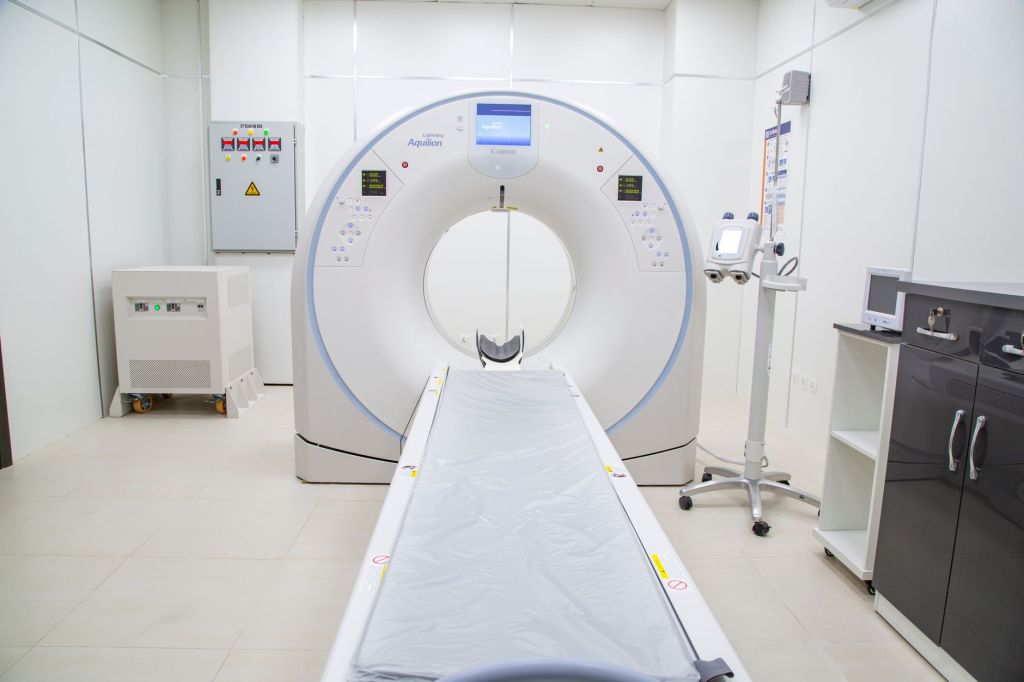
The deep learning model was able to garner information from CT scans. The model was named CIPHER, which stands for Checkpoint-Inhibitor Pneumonitis Hazard EstimatoR. CIPHER wasn’t trained to look for pneumonitis specifically, but to look for patterns that signified a greater risk of developing pneumonitis. What this told the researchers was that scans such as CT scans may have more usable information than they thought.
More studies are necessary, but this is an interesting development in identifying those who may be at risk for pneumonitis. Pneumonitis can be very difficult to predict, and it is a toxicity (serious side effects) that can derail someone’s treatment. Knowing that someone is at risk can be helpful to doctors when it comes to guiding treatments and assessing toxicity in patients.
Read about it here:
Thanks for reading! And if you like what I write, please subscribe. Thanks 🙂


Leave a Reply